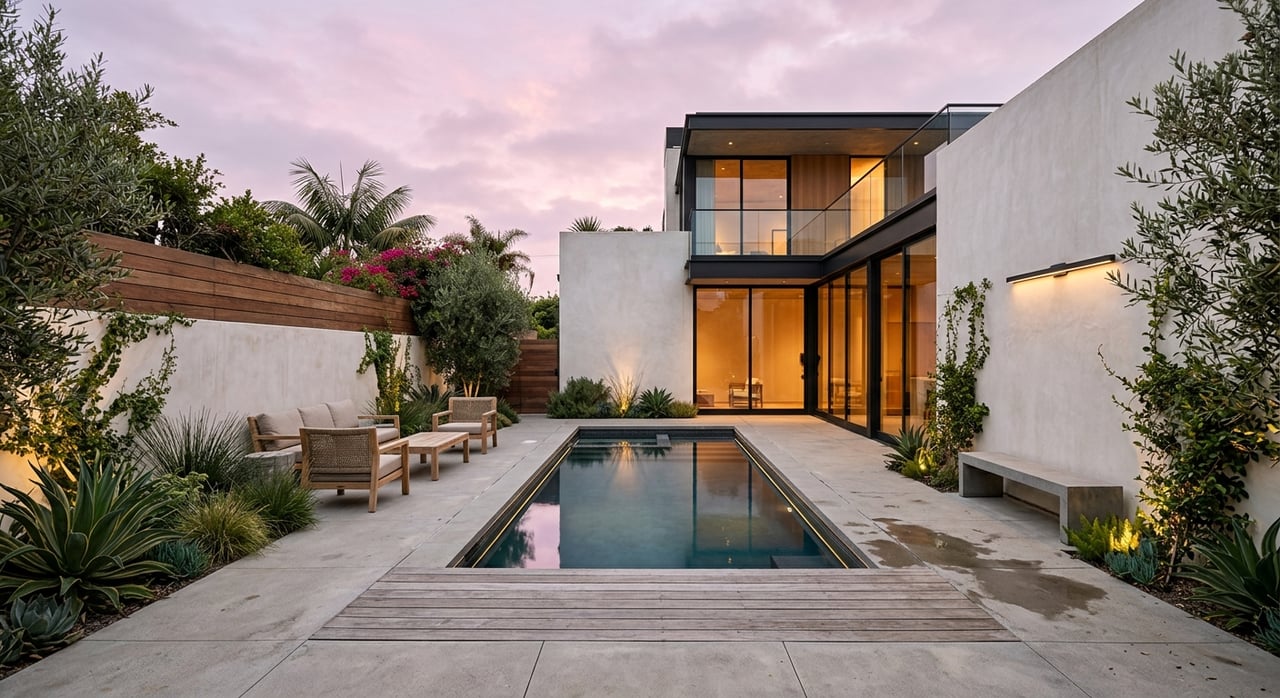
Is your goal to sell fast and move on your timeline? In Palos Verdes Estates, timing and preparation can make a real difference in how quickly you go from “just listed” to “under contract.” You want a plan that fits the local rhythm, not a generic calendar. In this guide, you’ll learn the seasons that tend to move homes fastest in PVE, the exact metrics that define “fast,” and a practical 2026 prep plan tailored to our coastal market. Let’s dive in.
When homes sell fastest in PVE
Most years, the quickest sales in PVE happen in spring, roughly March through June. Buyer activity often rises with the school-year cycle, better showing weather, and more listings that draw attention to the area. This is typically when you see the shortest days on market and strong showing activity.
There is also a useful early fall window, especially September through October. Buyers who paused or missed spring often re-enter the market after summer travel. Well-priced, move-ready homes can perform well if they launch into this demand.
Late fall through winter, from November to February, tends to be slower. There are fewer listings and fewer casual shoppers. The buyers who are active can be serious and ready to move, but overall traffic is lighter, so you want realistic pricing and sharp presentation.
What “fastest” really means
Speed is not a guess. It is visible in a few key numbers that your agent can pull by quarter for the past 3 to 5 years:
- Median Days on Market (DOM): Fewer days suggest faster sales.
- Months of Inventory: Lower supply, often under 4 months, favors sellers and quicker offers.
- Sale-to-List Price in the first 30 days: Higher percentages point to strong demand and effective pricing.
- New listings-to-pending ratio: Shows how quickly fresh inventory turns into accepted offers.
In Palos Verdes Estates, luxury and highly customized homes can follow a different tempo. They may have longer DOM because the buyer pool is narrow and more selective. That does not mean you cannot sell quickly. It means pricing, media, and targeted outreach matter even more.
How to confirm timing for your home
Pull the right numbers
Ask your agent to compile a quarter-by-quarter view for PVE over the last 3 to 5 years that includes:
- Median DOM, sale-to-list price, sales count, and months of inventory by quarter.
- Share of listings with price reductions in the first 30 to 45 days.
- A seasonality index that compares each quarter’s DOM to that year’s overall median.
This lets you see which quarters consistently come in below the yearly DOM. Those are your best candidates for a fast sale.
Smooth small-sample noise
PVE is a small market. A handful of sales can skew the numbers in any quarter. To reduce noise, use medians instead of averages and look at multi-year trends. It also helps to check the number of sales per quarter and note outliers that sat much longer or sold unusually fast.
Watch luxury nuances
If you own a higher-end or unique property, plan for a little more lead time. Luxury buyers can be timing-sensitive around school calendars and relocation windows. They also expect premium marketing, so schedule the prep work early.
2026 seller timeline by quarter
The following timelines assume you want to launch in the most active windows, then back up the prep so you go live with momentum.
Targeting spring 2026 (March to May)
Start prep in January to early February.
- Weeks 12 to 8: Consultation and plan. Get a comparative market analysis, prioritize repairs, gather bids, and schedule contractors.
- Weeks 8 to 6: Deep clean, declutter, touch-up paint, and tidy landscaping. Align staging plan for interiors and outdoor spaces.
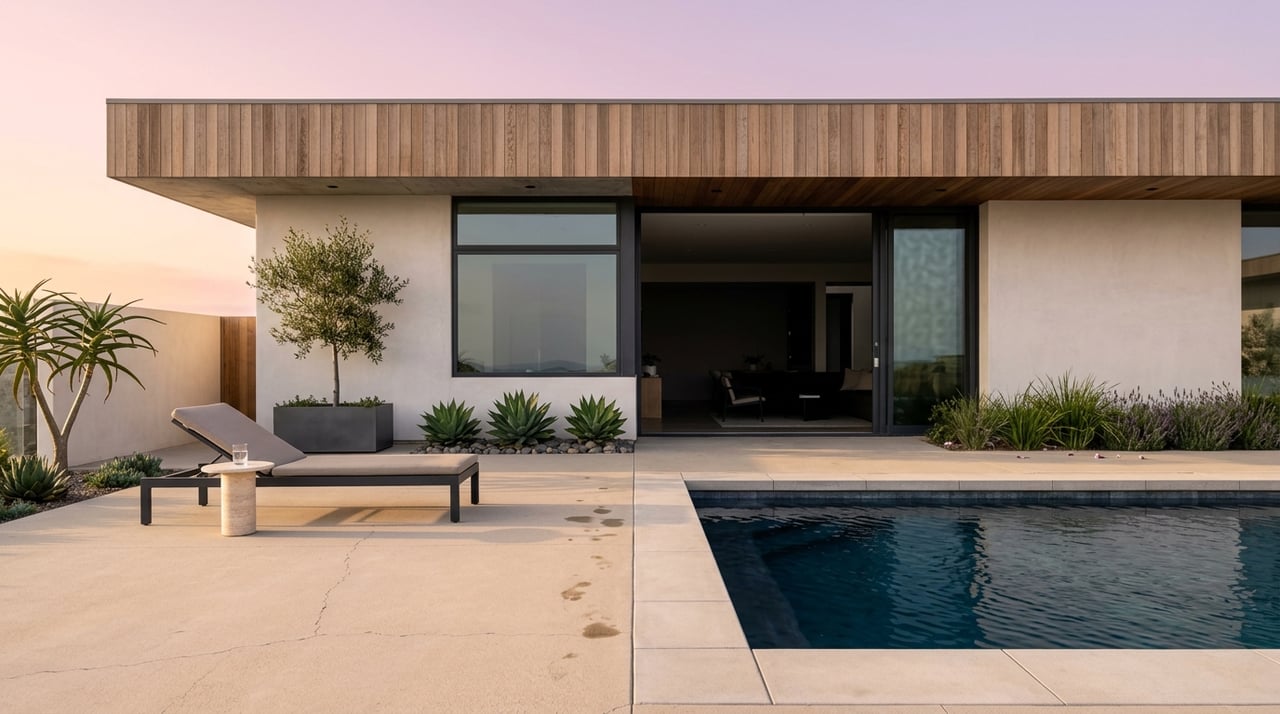
- Weeks 6 to 4: Professional photography and video. Consider dusk exteriors for views. Order floor plans and drone shots where allowed. Draft your highlight sheet.
- Weeks 3 to 1: Pre-listing outreach. Schedule a broker open. Notify relocation networks. Build targeted buyer lists and social promotions.
- Launch week: Go live Wednesday or Thursday morning to capture weekend showings. Plan the first 10 to 14 days for open houses and private tours.
Pricing tip: In early spring, slightly aggressive pricing can work if inventory is tight. Monitor early traffic and be ready to adjust if showings lag.
Targeting early fall 2026 (September to October)
Begin prep in June to July.
- Prioritize exterior maintenance, fresh mulch, and outdoor staging. Long summer days make yards a selling feature.
- Time your launch away from major holidays and late-August distractions when many buyers are still traveling.
- Follow the same 12-week countback for repairs, media, and pre-list outreach.
Listing in late fall or winter
If November to February makes sense for your move, lean into realistic pricing and strategic exposure.
- Highlight move-in readiness and any recent inspections or repairs to reduce buyer friction.
- Expect fewer showings but more serious buyers. Keep showing windows flexible to capture motivated relocations.
- Tighten marketing to the most likely buyer profiles and relocation channels.
Your first 30 days strategy
The market is most responsive in the first two weeks. Treat this period as your launch window.
- Aim for a price that attracts high traffic on day one.
- Track showings and feedback daily. If you see strong traffic but no offers, address common objections with staging tweaks or small upgrades. If traffic is light, consider a timely price adjustment.
- Consider pre-inspections to give buyers confidence and shorten time to offer.
Local factors to watch for 2026
Your final timing call should reflect the data and what is happening on the ground in late 2025 and early 2026.
- Mortgage rates and jumbo financing: Rate moves change affordability and buyer urgency. Jumbo loan pricing matters in PVE.
- Inventory swings: In a small market, even a modest jump in active listings can change your leverage. Track actives weekly as you near launch.
- School-year calendar: Many families plan moves around school dates. Listing in late winter to early spring often aligns with that cycle.
- Community events and access: Check for major events, road work, or local construction that could affect showings.
- Employment and relocations: Company growth or relocation activity can bring fresh buyers. Slowdowns can reduce demand.
- Coastal permits and disclosures: For ocean-view or bluff-top homes, verify coastal or permitting issues early so escrow is smooth.
Presentation that pays off in PVE
Small upgrades can enhance perceived value and speed.
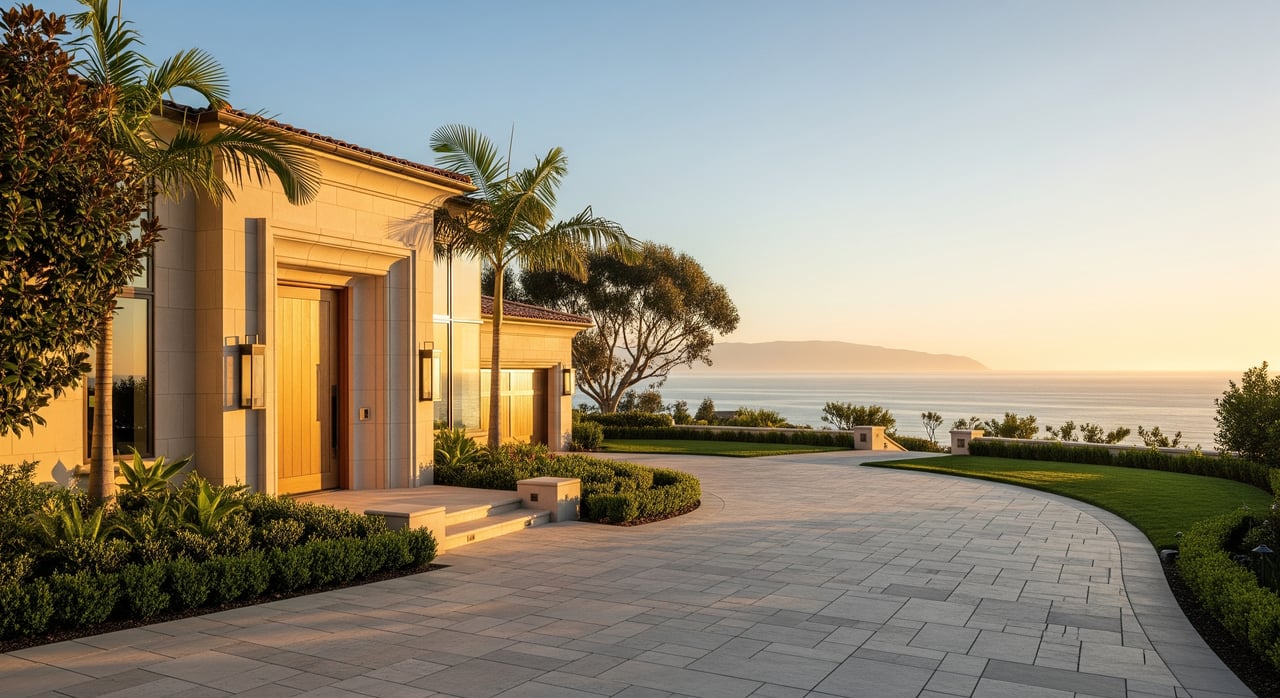
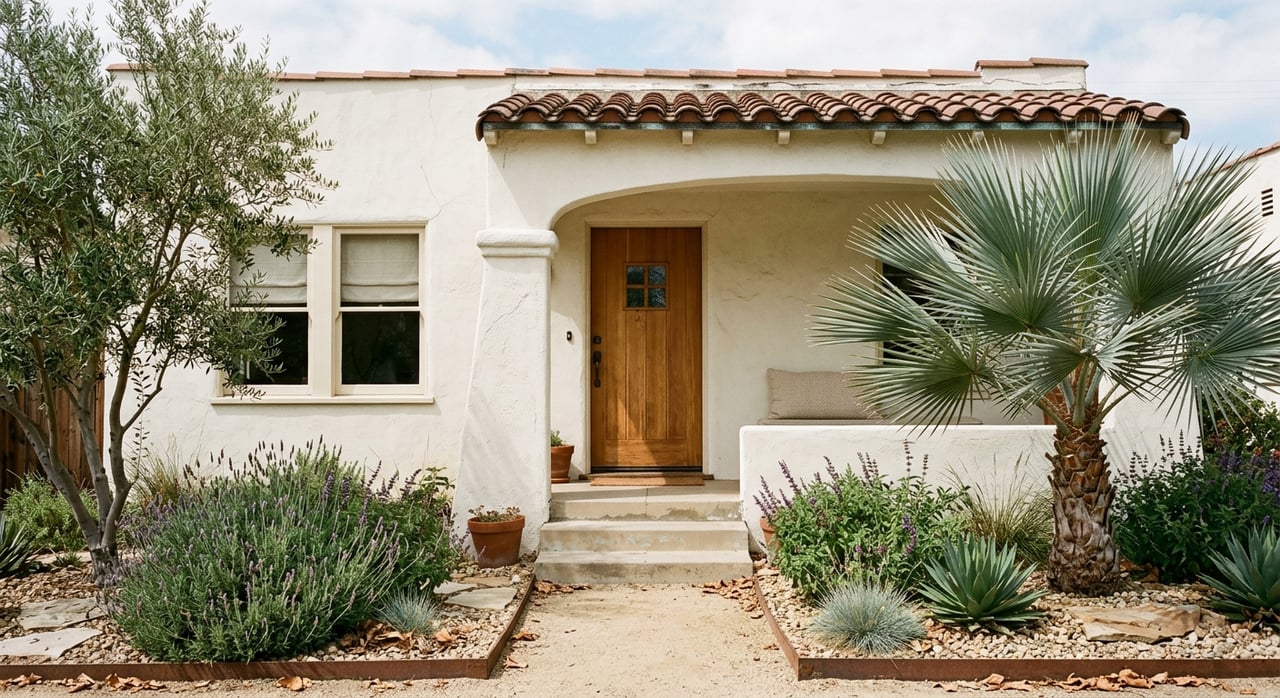
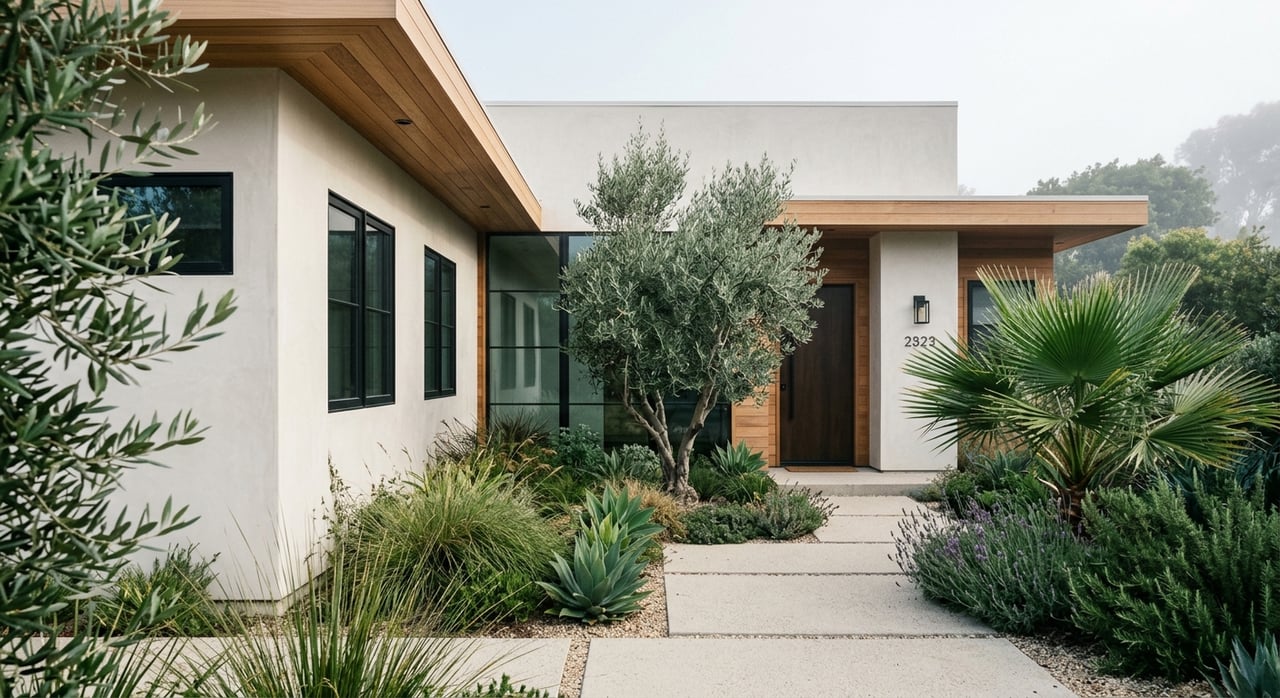
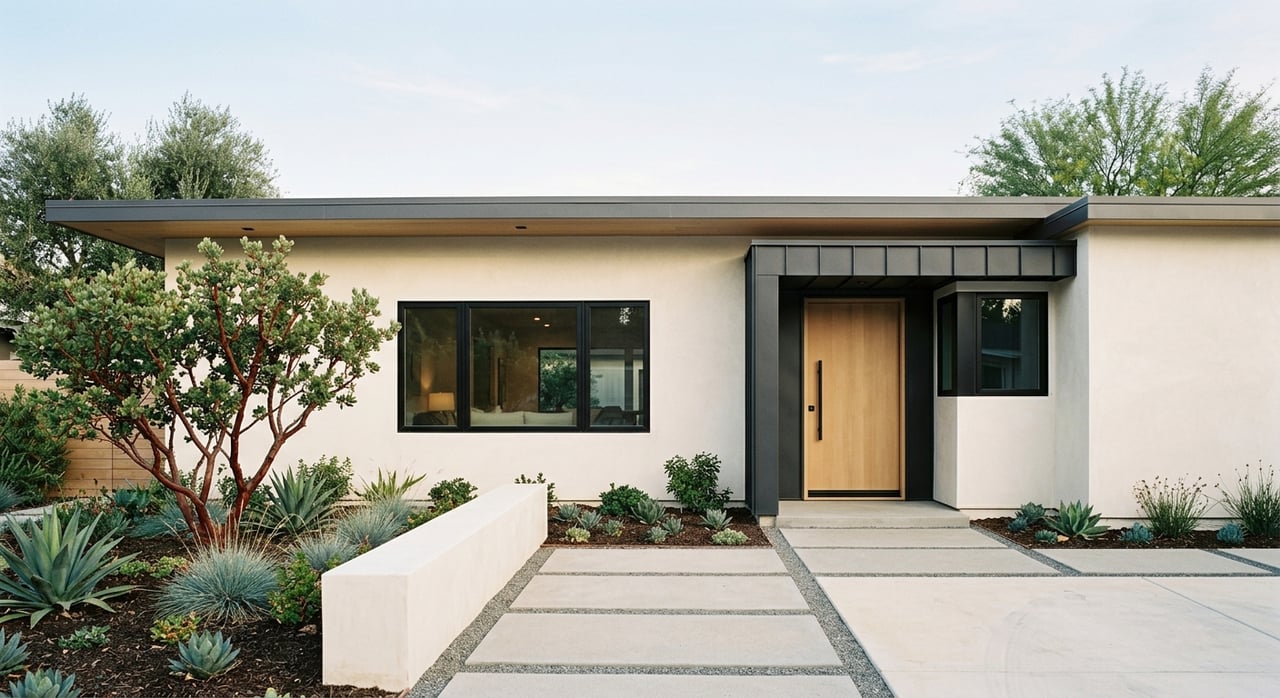
- Fresh landscaping, pressure washing, and a welcoming front door.
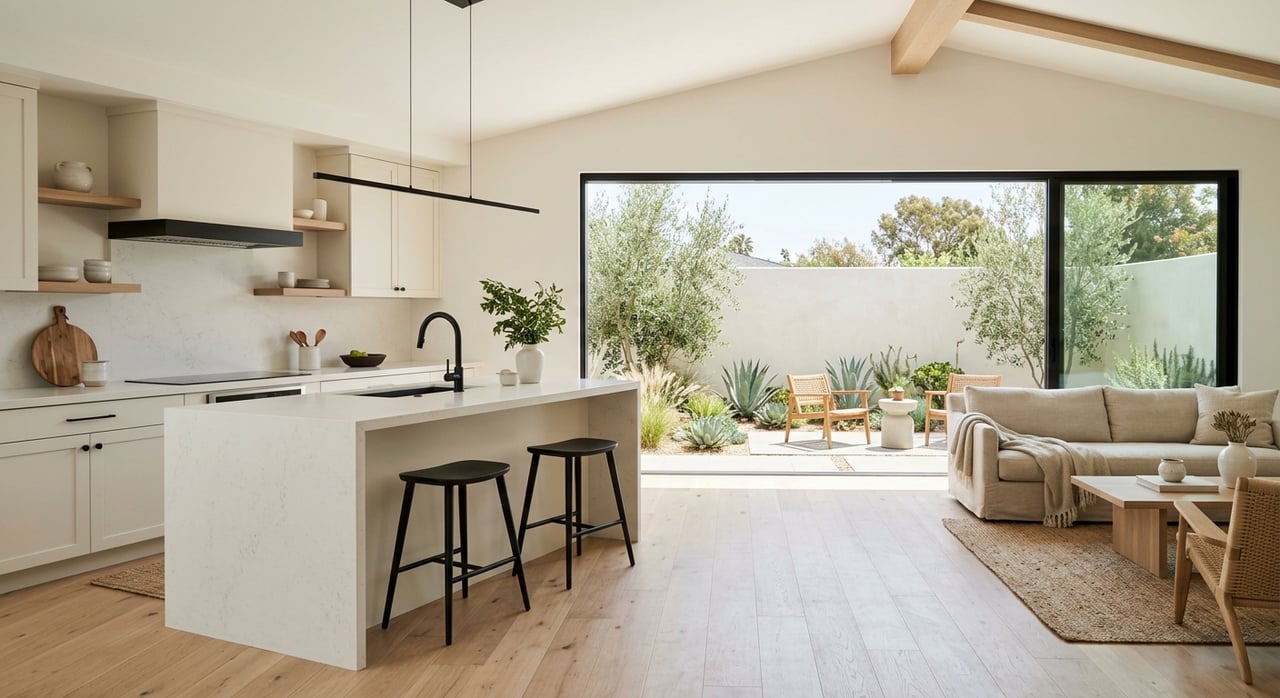
- Outdoor-space staging with seating, lighting, and defined zones for dining or relaxing.
- High-quality photography and a virtual tour. Include aerials when appropriate.
- Clear, neutral collateral on local amenities, parks, and commute options.
- Flexible showing windows and a well-attended broker tour to leverage limited buyer supply.
Your best window, summarized
If you want the shortest path to an accepted offer, spring and early fall are your best bets in Palos Verdes Estates. Aim for a polished launch in March to May or September to October, then confirm your final date using fresh numbers on DOM, months of inventory, and early-season buyer activity. With the right prep and pricing, you can capture the strongest demand for your home.
Ready to plan your 2026 sale? Connect with Team Frieden for a custom timing analysis, a concierge prep plan, and access to discreet private listings. Hablamos español.
FAQs
When do homes sell fastest in Palos Verdes Estates?
- Most years, spring is the fastest window, with a secondary pickup in early fall, while late fall and winter tend to be slower.
What is “days on market,” and why does it matter?
- Days on market measures how long a listing takes to secure an accepted offer; shorter DOM usually signals strong demand and effective pricing.
How early should I start preparing for a spring 2026 listing?
- Begin 8 to 12 weeks before your target launch to handle repairs, staging, media, and pre-list outreach without rushing.
Do luxury or ocean-view homes follow different timing in PVE?
- Higher-end and unique homes often take longer due to a smaller buyer pool, so allow more lead time and invest in targeted, premium marketing.
Is winter a bad time to list in PVE?
- Winter has fewer buyers, but they can be more motivated; realistic pricing and strong presentation can still produce a timely sale.
How do mortgage rates affect the best time to list?
- Lower rates can expand the buyer pool and speed up sales, while higher rates can slow demand; monitor trends as you set your launch date.