Understanding the Ocean View Premium in San Pedro
You know an ocean view can stir the soul, but how much does it actually add to a home’s value in San Pedro. If you are weighing a premium listing price or debating whether to stretch your budget for that view, the details matter. In San Pedro, view quality, orientation, elevation, and even port activity can change both price and day-to-day enjoyment. In this guide, you will learn what truly drives value, how to evaluate permanence, and practical steps to buy or sell with confidence. Let’s dive in.
San Pedro’s coastline offers a mix of landscapes, from bluff-top streets to hillside pockets and flat areas near the harbor. That creates several distinct view types, and the market values them differently.
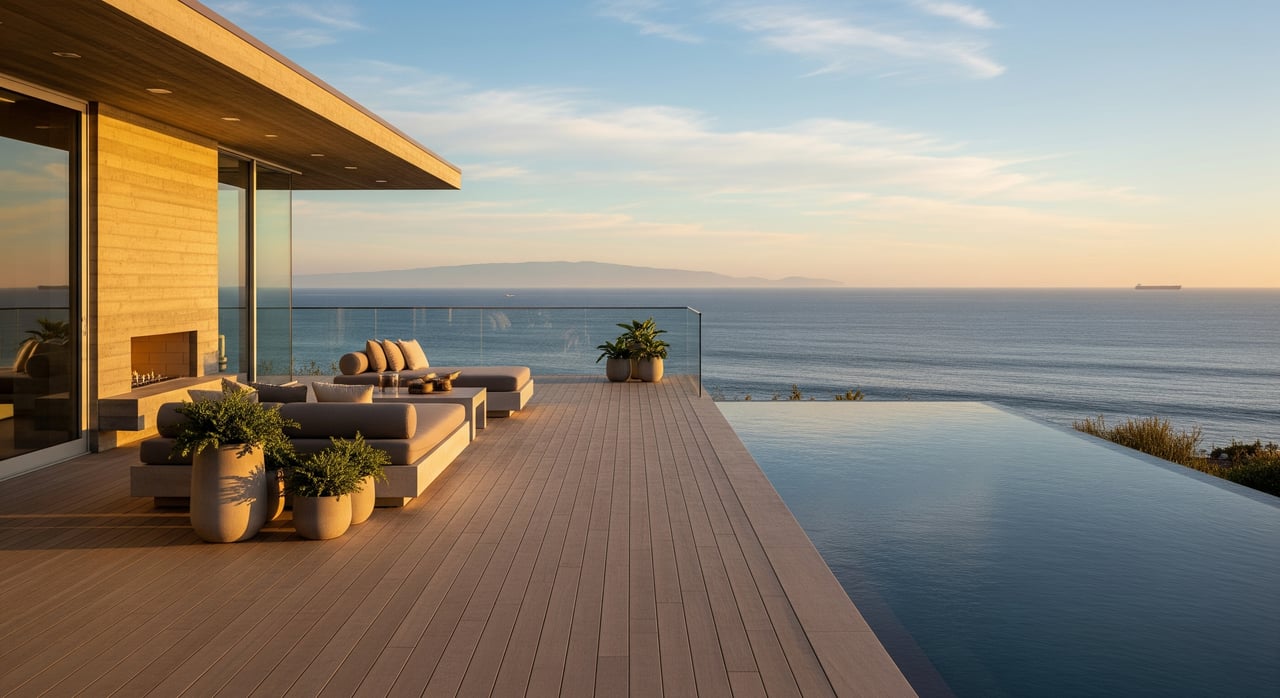
This is the classic blue-water panorama with wide horizon lines, often west or southwest facing for sunsets. Buyers seeking a scenic coastal lifestyle often place the highest premium here. These views are scarce and can be the most competitive when well oriented and stable.
Some homes capture coastline contours and evening lights from neighboring communities. The combination of water, coastline, and twinkling lights appeals to buyers who want day and night interest. Premiums vary by clarity and how much the shoreline and horizon are visible from primary living spaces.
San Pedro is a working port, and that character shows. Views that feature cranes, ships, and terminal operations can be a mixed bag. Some buyers enjoy ship movement and nighttime lights, while others discount for noise, odors, or industrial elements.
A sliver of water between buildings or through trees still has appeal, but it is harder to value. These views may support modest premiums, especially if they can be improved by trimming vegetation or adjusting interior layouts to capture sightlines.
In Southern California, west and southwest exposures are typically preferred for evening light and sunsets. This orientation often commands stronger premiums than north-facing views. The emotional pull of sunsets can influence both pricing and days on market.
Higher floors in condos and hillside positions for single-family homes improve angles over rooftops and vegetation. Elevation can also reduce street or port noise and improve privacy. In multifamily buildings, the premium for higher floors is usually more consistent and easier to quantify.
A clear, close line-of-sight to open water generally produces stronger value. Foreground matters too. Natural elements like beach, bluff, or open water tend to outperform industrial scenes that show containers or cranes. A view across a recreational beach may be valued differently than a view across busy harbor operations.
Views that can be blocked by future construction carry risk. Verify zoning heights on neighboring parcels and investigate any pending permits or entitlements that could change the skyline. In some locations, local rules may limit new heights, which can support a higher premium.
Coastal fog and the morning marine layer are common. If your view is frequently muted at key hours, value can be affected. Visit at different times and seasons to see what the sky and water look like when you would actually be home.
Port sounds, cruise terminal lighting, sirens, or truck routes can lower the effective desirability of a scenic view. Balance what you see with what you hear and smell. Many buyers weigh the full experience rather than the photo alone.
There is no single number that fits every property. Across coastal markets, view premiums often fall somewhere between low single-digit percentages and low double-digit percentages of total value. In San Pedro, the gap between an unobstructed open-ocean view and a view dominated by port operations can be significant. Some buyers will pay more for sunsets and open water, while others prefer the activity of harbor scenes, which means the premium is driven by the buyer segment and local comps.
Appraisers and lenders focus on contributory value supported by comparable sales, not just marketing appeal. If recent nearby sales show clear differences attributable to view, your premium is more likely to hold through appraisal.
Use this simple process before you pay a premium for a view.
To price and market a view home well, precision and documentation matter.
In condos, floor level and stack position often produce predictable view differences. Higher floors usually command premiums and can be easier to support with comps within the same building or complex. In single-family homes, the premium ties closely to lot elevation, privacy, and how living spaces frame the view.
If your home is on a hillside, small changes in vantage point can make a big difference. For sellers, stage seating areas to maximize sightlines. For buyers, test views from the primary living spaces and outdoor areas where you will spend the most time.
San Pedro’s blend of coastline and port means the same “ocean view” label can lead to different reactions. Homes near Cabrillo Beach or Point Fermin often benefit from natural foregrounds and walkable coastal amenities. Properties closer to terminals may face more activity, noise, or light at night.
Local planning and port operations can change the equation over time. Projects may enhance waterfront appeal or increase industrial presence. When you evaluate a view, consider both present enjoyment and long-term context.
Understanding the local risk profile can help you protect value.
Every ocean view in San Pedro tells a different story. The premium depends on quality, orientation, elevation, permanence, and how buyers perceive port activity. A local team can help you separate marketing sizzle from market-supported value, set pricing that appraisers can back, and present your home or offer with confidence.
If you are comparing view homes or preparing to list, we are here to help with bilingual guidance, a clear valuation plan, and access to private listings when discretion matters. Hablamos español. Connect with Team Frieden to talk strategy and next steps.
Get assistance in determining current property value, crafting a competitive offer, writing and negotiating a contract, and much more. Contact us today.