What It’s Really Like To Live In Rolling Hills Estates
Wondering if Rolling Hills Estates feels more like the South Bay or a world of its own? In many ways, it is both. If you are looking for a quieter, more spacious Peninsula lifestyle with trails, open space, and a distinctly less urban feel, this guide will help you understand what daily life here is really like. Let’s dive in.
Rolling Hills Estates is a small city on the Palos Verdes Peninsula with an estimated 8,007 residents in 2024, according to the U.S. Census QuickFacts. The city describes itself as pastoral and semi-rural, with a strong focus on preserving open space and supporting an equestrian lifestyle.
That identity shows up in everyday life. The city reports more than 175 acres of park area and 25 miles of bridle paths, which helps explain why Rolling Hills Estates feels different from more built-up South Bay communities.
If you picture Southern California suburbia as block after block of dense streets and heavy traffic, Rolling Hills Estates will likely feel different. Official planning documents describe a low-density setting where most land use is residential, with commercial activity concentrated in one main district.
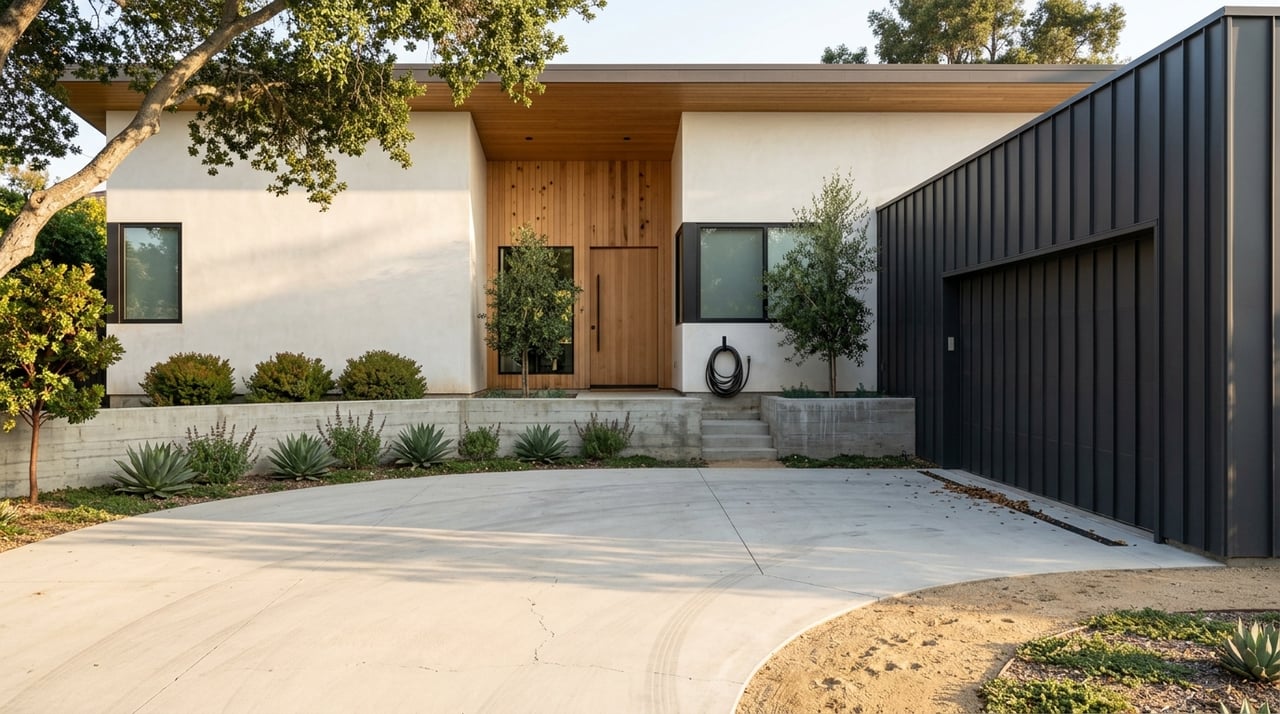
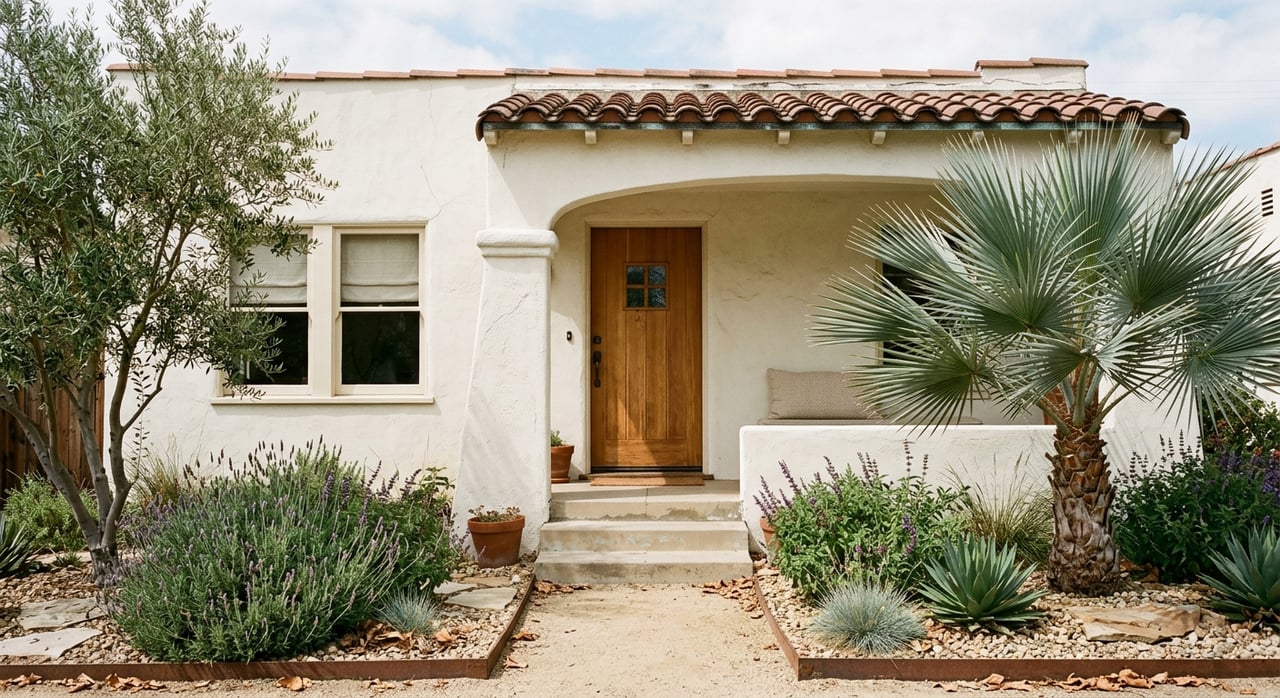
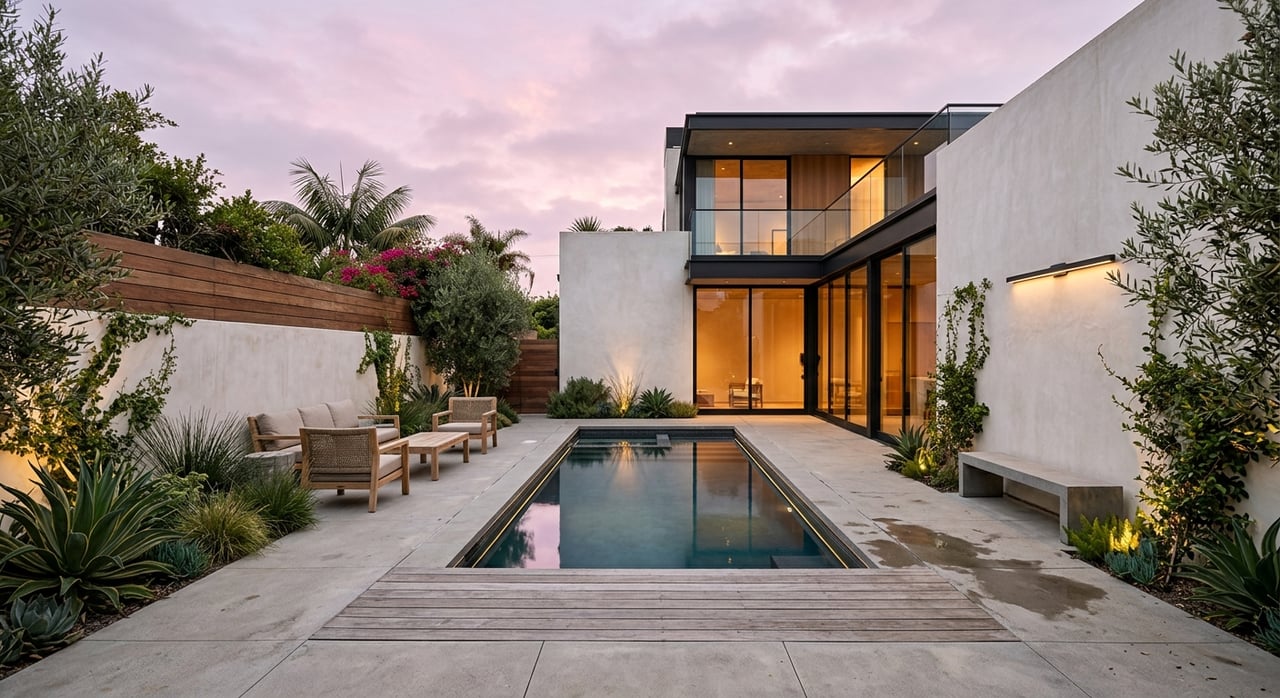
Many homes are one- or two-story properties in ranch-style to Mediterranean designs, often with deeper setbacks and a more open streetscape. An official environmental document also notes that many residential streets do not have curbs, gutters, or sidewalks, which adds to the city’s quieter, less urban character.
Most neighborhoods in Rolling Hills Estates are made up of single-family homes, with a few townhome and multifamily pockets, according to the city’s General Plan land use information. If you are comparing the area to nearby coastal cities, one of the biggest differences is how estate-like some properties can feel.
Part of that comes from the city’s long-running equestrian identity. In qualifying areas, the city’s Horse Overlay rules allow up to four horses on a property when horsekeeping requirements are met, including designated horsekeeping space. Even if you are not a rider, that policy helps shape the larger-lot, open feel many buyers notice.
In some communities, horse culture is more branding than reality. In Rolling Hills Estates, it is clearly part of the city’s structure and lifestyle. The city maintains trails, supports equestrian facilities, and even has an Equestrian Committee that advises on trails, arenas, and local events.
That matters because it affects the rhythm of the city. Events like the Mayor’s Breakfast Ride, City Celebration, and Peninsula Holiday Parade show that horses and trail use are part of community life, not just a historic footnote.
If outdoor access is high on your list, Rolling Hills Estates has a lot to offer. The city owns and maintains seven parks, 25 miles of equestrian trails, 10 miles of bicycle paths, a tennis club, and stables.
That trail-centered lifestyle also extends into nearby preserved land. The Palos Verdes Peninsula Land Conservancy manages both George F Canyon and Linden H. Chandler preserves in Rolling Hills Estates, and its broader Peninsula system includes more than 1,700 acres of open space and 42 miles of hiking trails.
For many buyers, this is one of the biggest reasons to live here. You are not just getting a home. You are getting access to a daily lifestyle that can include walking, riding, biking, and spending more time outdoors.
One of the best parts of life on the Peninsula is the amount of open space around you. At the same time, trail conditions can change. The Land Conservancy notes that some trail areas farther south on the Peninsula, especially around Abalone Cove and Portuguese Bend, can close due to land movement, as explained on its trail and preserve information.
For day-to-day life in Rolling Hills Estates, that does not erase the value of the area’s outdoor network. It simply means that if trails are a major part of your routine, it helps to stay current on conditions and access.
Although Rolling Hills Estates feels more relaxed and residential than many South Bay areas, it is not isolated. The city highlights a mile-long commercial district with shopping plazas, restaurants, local merchants, national retailers, a movie theater, and an ice rink.
According to the city’s land use plan, this commercial area spans about 96 acres along Silver Spur Road, Bart Earle Way, and Deep Valley Drive. In practical terms, that gives you a useful mix of neighborhood convenience without changing the city’s mostly residential feel.
Rolling Hills Estates is a high-ownership market with a more premium price point. The Census QuickFacts show that 87.6% of housing units are owner-occupied, the median owner-occupied home value is $1,692,600, and the median household income is $191,895.
Those numbers do not tell you everything about a place, but they do give helpful context. In general, buyers looking here are often prioritizing space, a quieter Peninsula setting, and a lifestyle tied to trails and open land more than a dense, walk-everywhere beach-city environment.
The same Census source reports a mean commute time of 27.2 minutes. Commute experience will vary based on where you work and how often you need to travel off the Peninsula, but that figure gives a useful baseline.
What many people notice first is the pace. Rolling Hills Estates tends to feel calmer and more residential than the busier, more urban parts of the South Bay. If your ideal routine includes quieter streets, lower-rise surroundings, and more space between homes, that is a meaningful part of the appeal.
Rolling Hills Estates is served by the Palos Verdes Peninsula Unified School District, which also serves the other Peninsula cities and nearby unincorporated Peninsula areas. Palos Verdes Peninsula High School is located in Rolling Hills Estates.
For public safety, the city states that services are provided by the Los Angeles County Sheriff and Los Angeles County Fire Protection District. For buyers, that is a reminder that while Rolling Hills Estates has a distinct city identity, some core public services are county-based.
Rolling Hills Estates often stands out for buyers who want a Peninsula address with more breathing room and a more land-connected setting. It can be especially appealing if you value:
If you want a beach-town energy with a denser street grid and more urban activity, other South Bay areas may feel like a better fit. If you want a calmer, more spacious environment that still connects you to South Bay and Peninsula amenities, Rolling Hills Estates is worth a serious look.
Every neighborhood choice comes down to lifestyle fit. Rolling Hills Estates gives you open space, a semi-rural tone, and a trail-centered identity that is hard to replicate elsewhere in the region.
The tradeoff is that it is not trying to be the most urban, fastest-paced, or most commercial part of Los Angeles County. That is exactly why many people love it.
If you are thinking about buying or selling in Rolling Hills Estates, working with local advisors who understand how Peninsula lifestyle, property character, and buyer expectations intersect can make a big difference. Team Frieden brings a relationship-first, South Bay perspective to help you navigate the market with clarity and confidence.
Get assistance in determining current property value, crafting a competitive offer, writing and negotiating a contract, and much more. Contact us today.