What Living in Lomita CA Offers South Bay Buyers
If you want South Bay access without beach-city price tags, Lomita deserves a closer look. This small city has a lived-in feel that appeals to buyers who want convenience, local parks, and a neighborhood-scale setting close to the rest of the South Bay. Below, you’ll get a practical look at what living in Lomita is really like, from housing and commute access to everyday errands and local character. Let’s dive in.
Lomita is a compact city of 19,841 residents spread across just 1.91 square miles. It sits at the base of the Palos Verdes Peninsula, about 26 miles south of downtown Los Angeles, and city materials describe it as a friendly, small-town community with a rustic legacy.
That identity matters if you are comparing South Bay areas. Lomita is not trying to be a beach resort destination. It feels more like a practical, community-oriented place where you can stay connected to the region while enjoying a more grounded day-to-day lifestyle.
One of Lomita’s biggest draws is value relative to nearby coastal markets. Redfin reported a median sale price of $830,000 in March 2026, compared with $1.19 million in Torrance, $1.68 million in Redondo Beach, and $1.80 million in Hermosa Beach.
These figures come from a market snapshot and should not be read as identical to Census home value figures. Still, the broader pattern is clear: Lomita often gives you a lower price point than nearby beach cities while keeping you close to South Bay jobs, shopping, and coastal destinations.
For buyers, that can open up options that may feel out of reach in neighboring markets. For sellers, it helps explain why Lomita can attract people looking for practical South Bay access rather than a strictly beach-focused lifestyle.
Lomita is almost entirely built out, which shapes the housing experience here. City planning materials describe residential neighborhoods at varying densities, with commercial uses concentrated along Pacific Coast Highway, Lomita Boulevard, Crenshaw Boulevard, Narbonne Avenue, and Western Avenue.
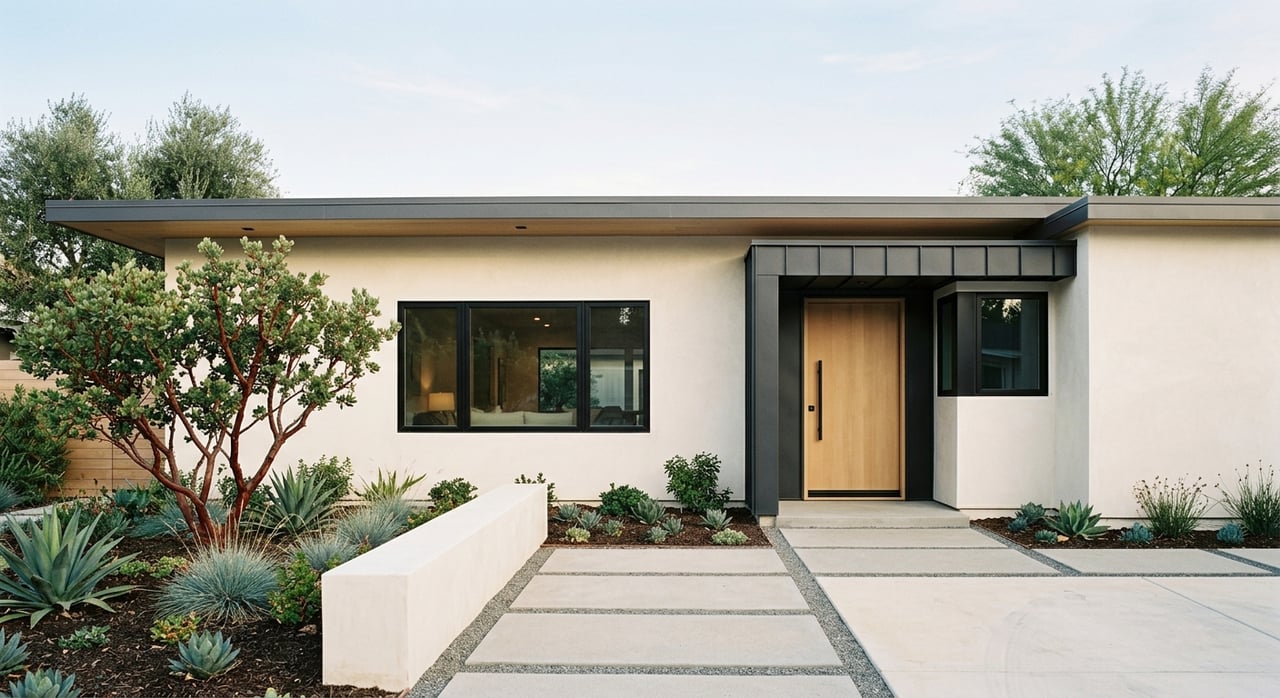
Much of the city is made up of single-family homes with large lots, and regional housing data shows single-family detached homes are the largest category. There is also a meaningful multifamily presence, which adds a mix of housing types across the city.
Another important detail is age. About 62.5 percent of Lomita’s housing stock was built before 1970, so this is generally an older, infill-oriented market rather than one defined by brand-new subdivisions.
That can be a good fit if you are open to existing homes, remodel opportunities, ADU potential, or selective redevelopment areas. If your search depends on large-scale new construction communities, Lomita may feel more limited.
A lot of buyers are looking for a place that works well on a normal Tuesday, not just on a sunny weekend. Lomita does well on that front because recent retail additions have improved daily convenience.
A 2024 city update noted the arrival of Grocery Outlet and Target, and the city said these openings helped address a long-standing lack of nearby grocery and household-goods options. That is a meaningful quality-of-life point if you want more errands handled close to home.
The city is also focused on downtown visioning and corridor revitalization. Over time, that can support a more polished everyday experience along key commercial streets while keeping Lomita’s local identity intact.
Lomita’s public spaces help explain why the city feels neighborhood-oriented. The main park, Lomita Park, is a little over 7 acres and includes a gymnasium, community room, softball diamond, outdoor basketball court, multipurpose field, senior walking path, children’s play areas, two tennis courts, picnic shelters, and pickleball courts.
That is a wide mix for a compact city. It gives residents places to gather, stay active, and enjoy outdoor time without needing to leave town.
The city also highlights the Demonstration Garden, which showcases drought-tolerant landscaping and reports more than 70 percent water-use reduction. Other public spaces include Takaishi Japanese Garden, Hathaway Park, Irene Lewis Park, and smaller spots like Metro Park.
Taken together, these spaces support a comfortable, local rhythm. You are not just buying a house here. You are choosing a city with practical outdoor amenities and a community feel that shows up in everyday life.
Transportation is another reason Lomita appeals to buyers who want flexibility. Census QuickFacts shows a mean commute time of 25.6 minutes, which helps paint a picture of a city that stays connected to nearby work and activity centers.
Regional transit access adds to that convenience. GTrans serves Lomita and neighboring South Bay communities and also provides access to Metro Rail and Downtown Los Angeles.
Torrance Transit Line 9 runs along Lomita Boulevard with multiple stops near corridors like Carson, Hawthorne, Western, and Narbonne. Lomita also offers a Dial-A-Ride program with satellite destinations across Carson, Gardena, Harbor City, Hermosa Beach, Palos Verdes Estates, Rancho Palos Verdes, Redondo Beach, San Pedro, and Torrance.
Those destinations include major regional anchors such as CSU Dominguez Hills, Del Amo Fashion Center, South Bay Galleria, and Torrance Memorial Medical Center. For many residents, that means Lomita works well as a home base for moving around the South Bay without feeling cut off from jobs, medical services, shopping, or coastal areas.
Lomita’s planning materials describe the northern part of Narbonne Avenue as a quaint downtown and civic center area. That fits with the city’s broader identity as a smaller South Bay community with a long local history.
According to the city’s history materials, Lomita began as a residential tract and later incorporated while keeping much of its small-town flavor. That history still shows up in how people talk about the city today.
Instead of polished resort branding, Lomita offers something more approachable. It feels established, local, and practical, which can be exactly what many buyers want.
Lomita tends to make the most sense for buyers who care about location efficiency and relative value. It can be especially appealing if you want South Bay access but prefer a lower entry point than nearby beach cities.
It may also fit you well if you are comfortable with older homes and see potential in updating, expanding, or customizing over time. Since the city is already built out, future housing activity is more likely to come through infill, remodels, ADUs, and selective corridor redevelopment rather than big new subdivisions.
That does not make Lomita better or worse than nearby cities. It simply means the opportunity here is different: more established housing, more neighborhood feel, and often a more approachable price point within the South Bay.
Here are a few useful snapshot figures for context:
These figures come from Census QuickFacts and reflect a different methodology than active market sale-price snapshots. They are most helpful as general context when you are comparing Lomita with other South Bay locations.
If your goal is to stay connected to the South Bay while finding a city with more everyday practicality and less coastal pricing pressure, Lomita is worth serious consideration. It offers older housing stock, useful retail, local parks, and strong regional access in a compact setting with genuine local character.
For some buyers, that mix will feel like a smart compromise. For others, it may feel like the right balance all along.
If you are thinking about buying or selling in Lomita and want guidance rooted in real South Bay experience, Team Frieden can help you understand how this market fits your goals.
Get assistance in determining current property value, crafting a competitive offer, writing and negotiating a contract, and much more. Contact us today.