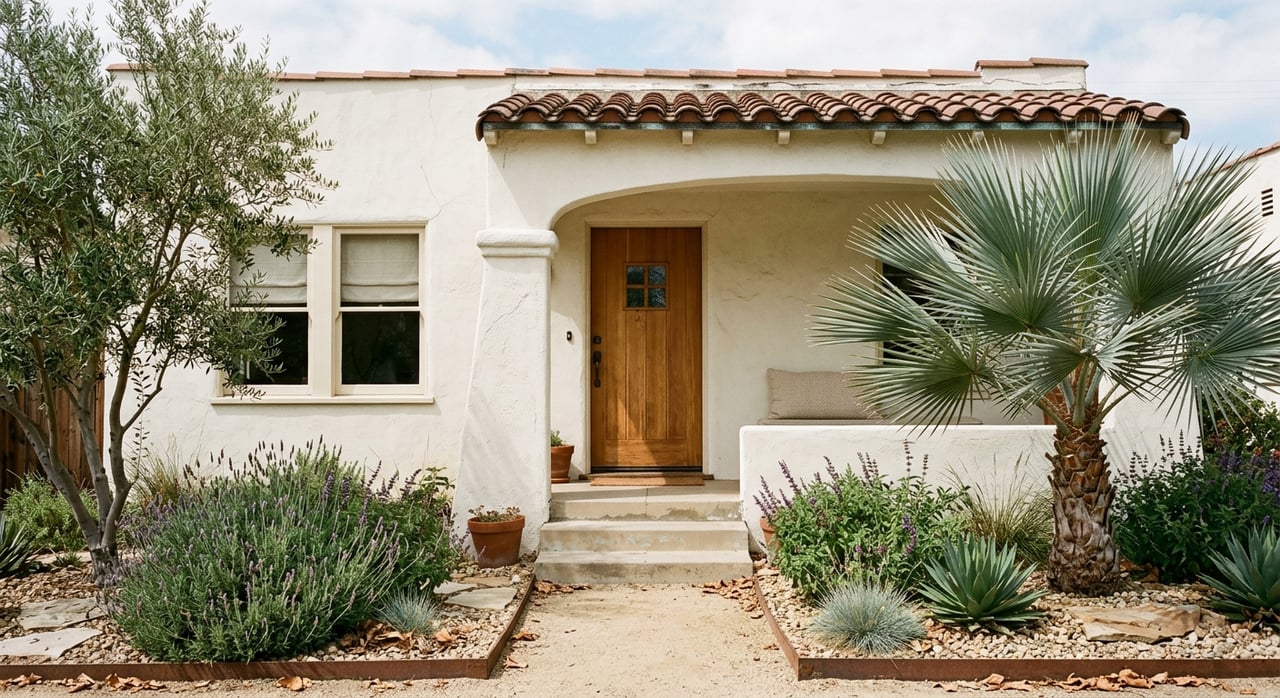
San Pedro Home Styles And How They Live
Wondering why one San Pedro home feels cozy and porch-centered while another feels bright, open, and built for indoor-outdoor living? That contrast is part of what makes San Pedro so interesting. If you are trying to buy or sell here, understanding how local home styles live day to day can help you spot the right fit, set better expectations, and see value more clearly. Let’s dive in.
San Pedro is not a one-style neighborhood. The community plan describes it as a stable area shaped by natural beauty, cultural heritage, and closeness to the Port and waterfront, while still keeping a small-town feel.
Its geography also helps explain the housing mix. SurveyLA describes San Pedro as a place of coastline and harbor edges, coastal bluffs, and low rolling hills and plateaus. That varied setting has supported everything from early single-family homes to denser harbor-era housing and later hillside development.
The result is a housing stock with real range. San Pedro includes large numbers of intact pre-1909 homes, residences from the 1910s through 1930s, duplexes, apartment houses, courtyard apartments, bungalow courts, and later postwar housing. You will also see a broad style mix that includes Craftsman, Queen Anne, American Colonial Revival, Spanish Colonial Revival, Storybook, and Streamline Moderne examples.
Many buyers start by asking about bungalows, and in San Pedro that often overlaps with early Craftsman-era homes. SurveyLA highlights features like horizontal wood siding, overhanging eaves, exposed rafter tails, and wide front porches. National Park Service guidance also describes Craftsman bungalows as one- to two-story homes with broad gables and open floor plans that reduce hallway space.
In daily life, these homes often feel warm, human-scale, and connected to the street. The porch can become part of how you experience the home, not just a decorative feature. Interiors may feel efficient rather than sprawling, with rooms arranged for practical use instead of dramatic separation.
That said, charm often comes with tradeoffs. Because many older San Pedro homes are historic resources or have stayed fairly close to their original form, you may find more original detail and more updating needs than you would in newer construction. For buyers, that can mean balancing personality with future maintenance and renovation plans.
One of the biggest misconceptions about San Pedro is that older homes all look alike. They do not. The historic record shows a much wider mix than the word bungalow suggests.
Vinegar Hill is a good example. The city describes it as an early San Pedro suburb with tree-lined streets and modest single-family houses built from 1886 through 1927, including Queen Anne, American Foursquare, Craftsman, American Colonial Revival, and Spanish Colonial Revival examples. That variety means two homes from a similar era can offer very different layouts, curb appeal, and upkeep needs.
San Pedro’s historic growth pattern matters if you are thinking beyond detached homes. SurveyLA notes that housing near the harbor and former streetcar lines was historically denser, with apartment houses, duplexes, courtyard apartments, and bungalow courts showing up as part of that earlier development pattern.
For you as a buyer, that can mean more options in a compact format and more variety block by block. For sellers, it helps explain why location within San Pedro can shape buyer expectations so strongly. A street with older multifamily character may appeal for different reasons than a hillside street lined with detached homes.
There is also a practical side to the terrain. Hillside development even led to public stairways that once connected homes to transit below. That history still helps explain why some areas feel especially vertical, layered, or tucked into the land.
If you are drawn to ranch homes or more open mid-century layouts, San Pedro has that layer too. SurveyLA ties the area’s post-World War II growth to the northernmost and hillside parts of the community, where new residents and infrastructure expanded the housing stock during the 1940s and 1950s.
So if you are specifically searching for a postwar feel, those sections are often the most logical places to look. This does not mean every home there is mid-century. It does mean the housing pattern reflects a different phase of San Pedro’s growth than the earlier harbor-era neighborhoods.
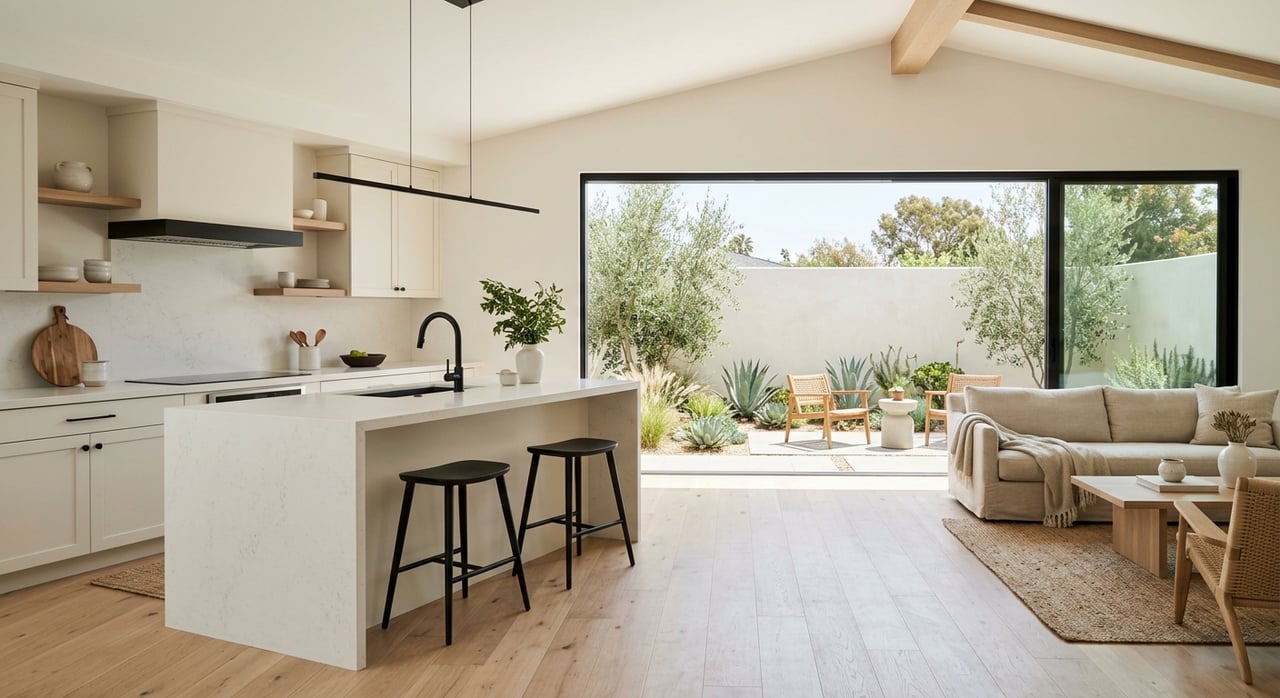
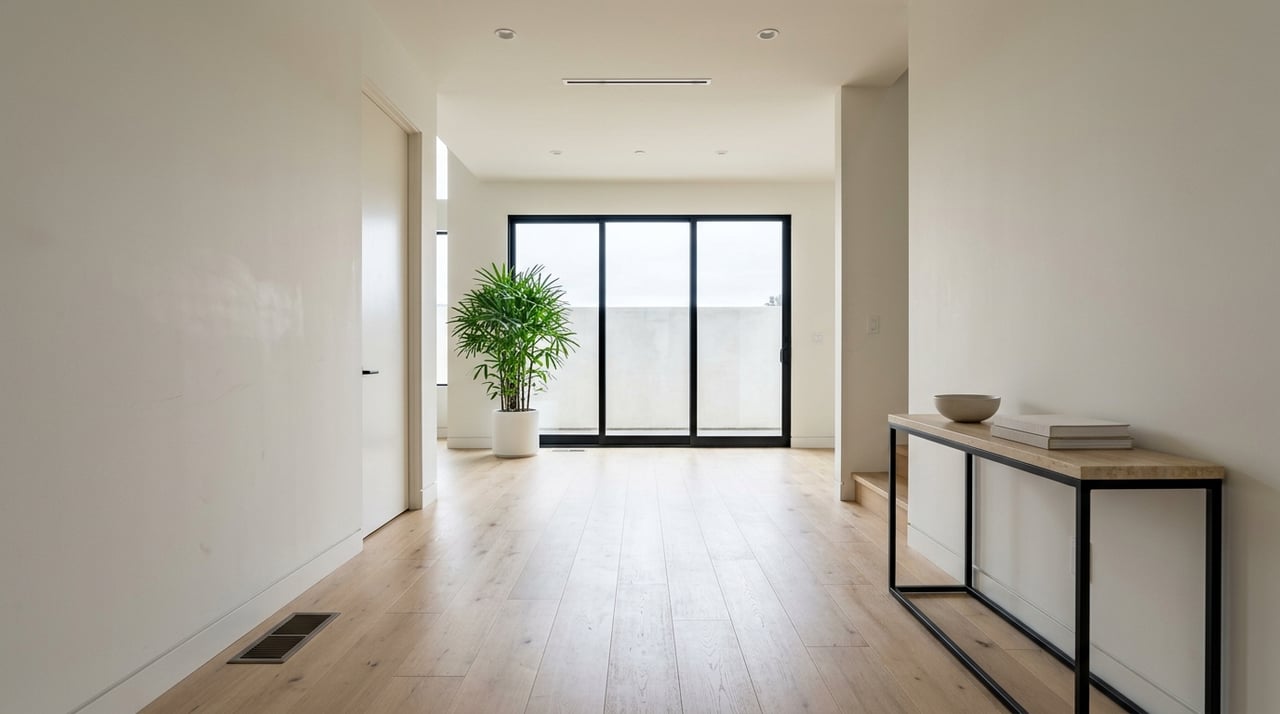
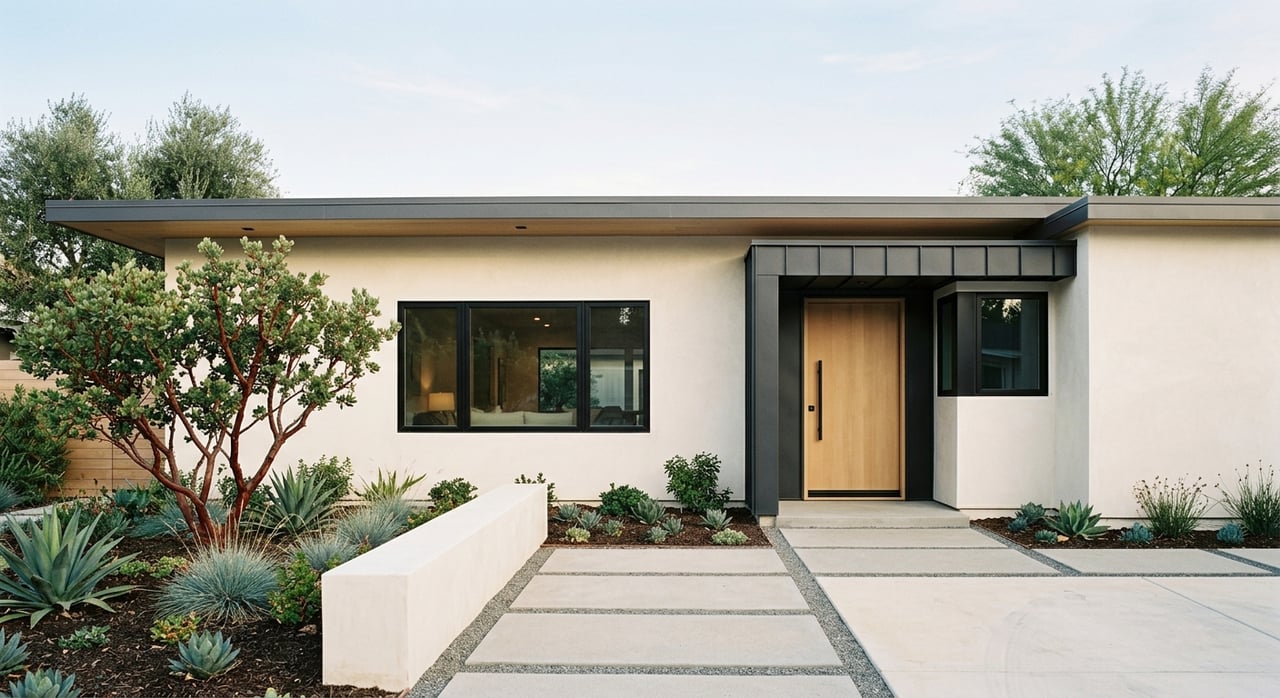
Mid-century homes usually feel less compartmentalized than older bungalows. National Park Service guidance describes 1950s ranch houses as long and low, with zoned living spaces, picture windows, sliding glass doors, and casual family-centered plans. Los Angeles City Planning also describes mid-century modern design as open-plan and window-heavy, with a strong focus on bringing the outdoors in.
In everyday use, that often translates to easier circulation, more natural light, and a layout that supports informal gatherings. If you like a home that feels relaxed and connected, this style often delivers that. In San Pedro, those traits pair naturally with coastal light and hillside settings.
The same design strengths also call for careful review. With larger windows and more exterior exposure, roofs, windows, and outside materials are worth a closer look. That is especially true in a coastal setting where weather can affect long-term upkeep.
Townhomes can be a strong option if you want ownership in a more compact format. Fannie Mae defines a townhome as a home with two or three levels attached to a similar home by a shared wall. In practical terms, that often means living more vertically than you would in a detached house.
For some buyers, that layout works well. You may trade some yard space and separation from neighbors for a smaller footprint and a lower-profile urban form. If your priority is efficient use of space over a large lot, that can be a very reasonable fit.
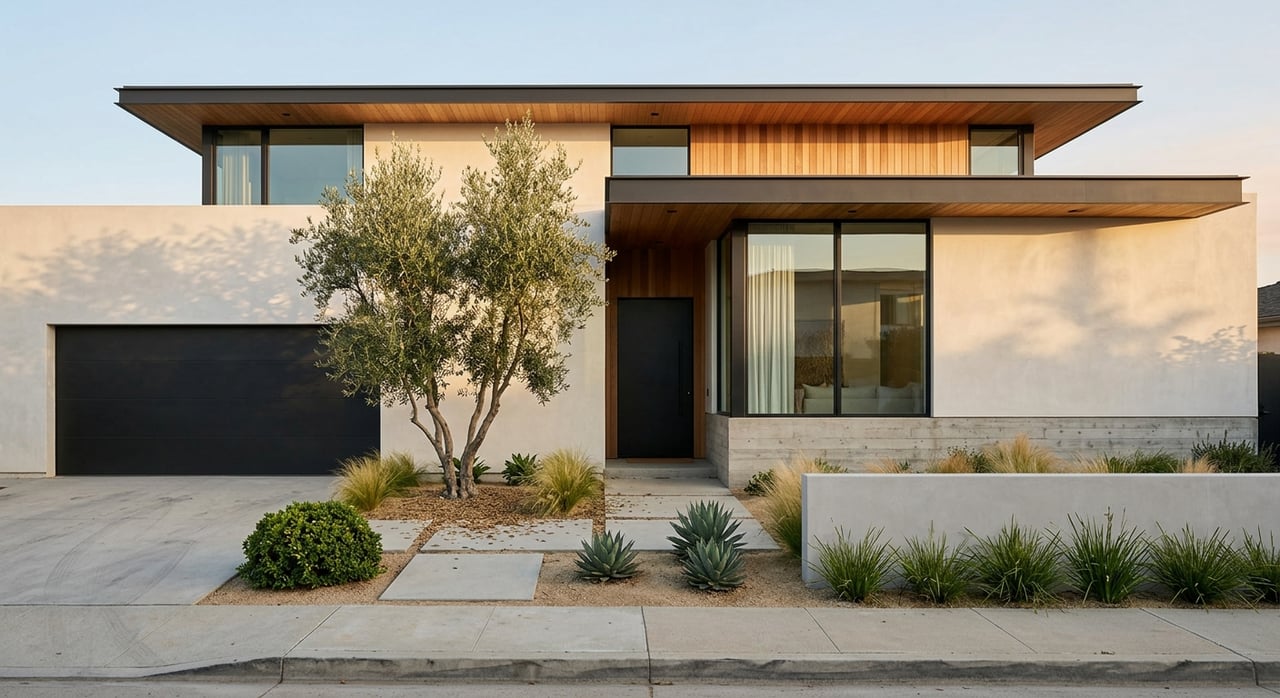
Newer housing in San Pedro is better understood as infill and small-scale redevelopment than as one big master-planned story. Los Angeles City Planning’s Missing Middle LA initiative emphasizes usable open space, retention and reuse of existing buildings alongside infill housing, and mature-tree preservation.
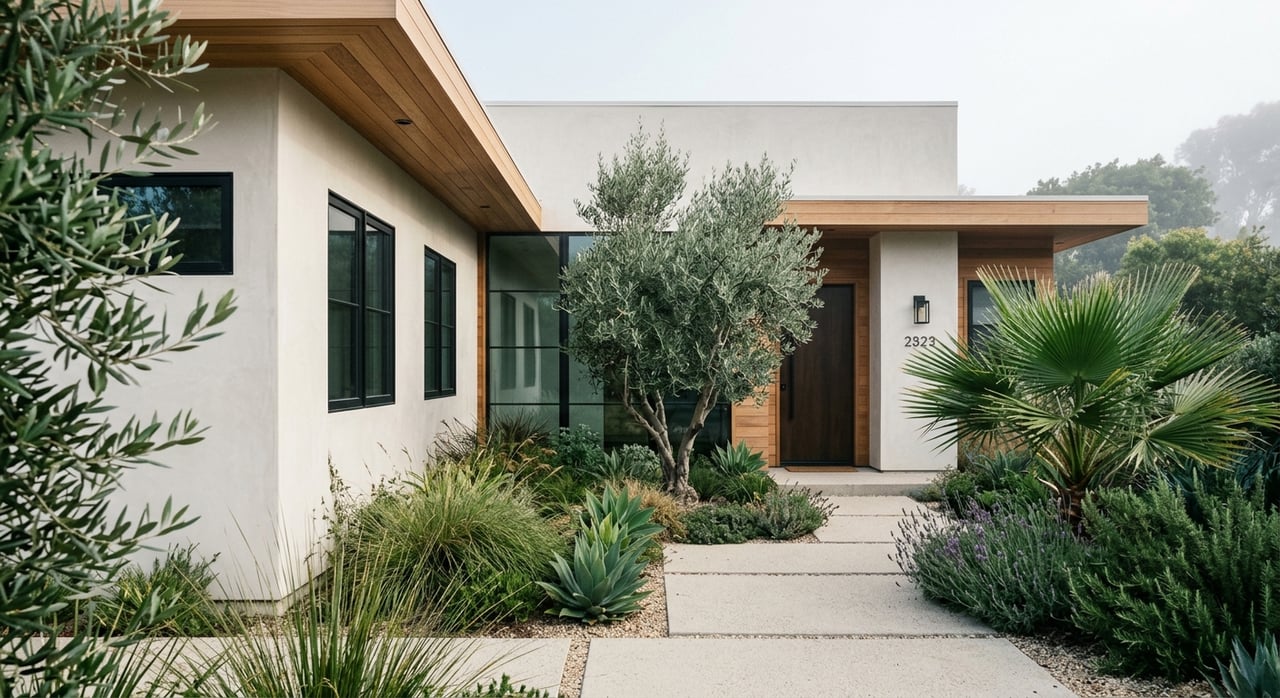
That helps explain why newer homes in San Pedro often feel compact, site-sensitive, and scaled to the neighborhood. Instead of a single new-home identity, you are more likely to see newer housing woven into an existing block pattern. For buyers and sellers alike, that means context matters as much as age.
Style matters, but climate matters too. San Pedro’s coastal setting shapes how homes feel and how they wear over time. NOAA explains that California’s marine layer forms over nearby ocean waters and can move inland with onshore winds.
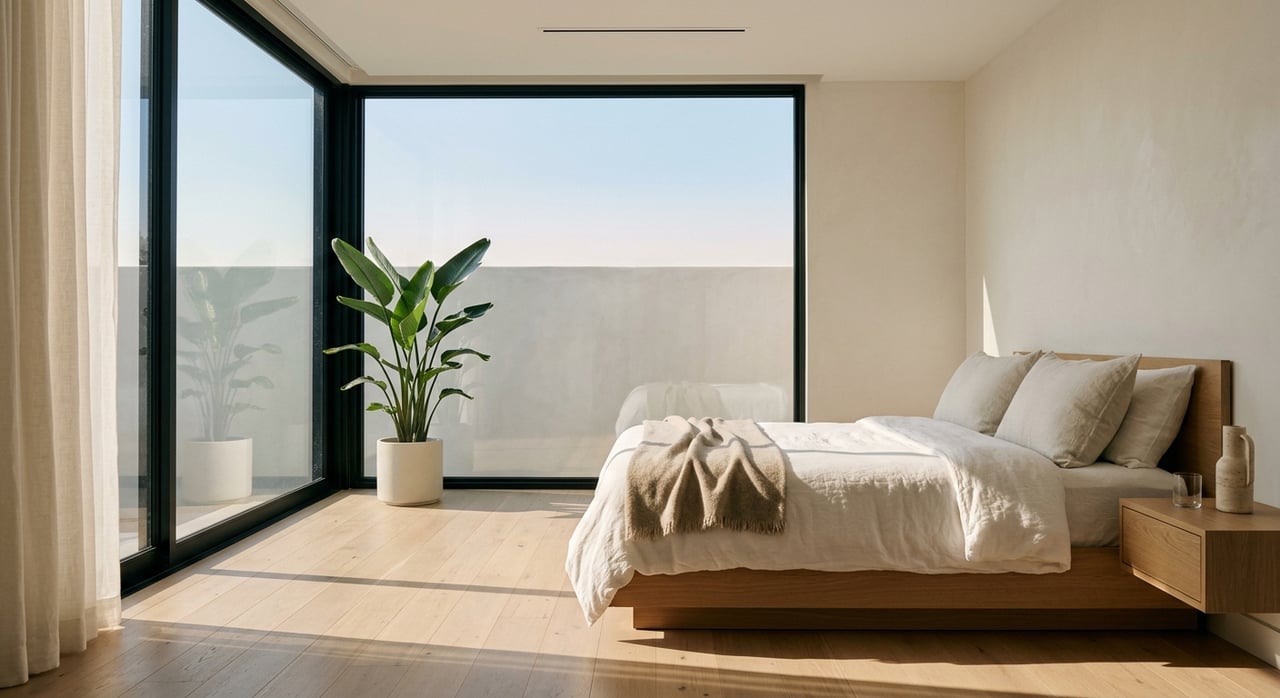
For everyday life, that can influence light, temperature, and how a porch or view-facing room feels at different times of day. A home may feel bright and breezy one afternoon and softer and cooler the next morning. That is part of the local experience, especially in homes with strong orientation to the outdoors.
There is also an upkeep angle. EPA notes that coastal flooding can bring salt-related corrosion and damage to building components. Even when you are mainly focused on style, it is smart to pay attention to exterior materials, window exposure, and maintenance history.
San Pedro does not fit into one simple price point, and that matches its housing diversity. Recent public market snapshots show a broad range depending on the metric and subarea. Zillow reported an average San Pedro home value of $852,681 and a median sale price of $731,667 in March 2026, while Redfin showed Coastal San Pedro at a $905,000 median sale price and Northwest San Pedro townhomes at a $915,000 median list price.
These figures are best used as directional context, not direct comparisons. They cover different geographies and different measurements. Still, they reinforce an important point: style, location, housing type, and condition can all shape pricing in meaningful ways.
If you are deciding between home types in San Pedro, it helps to think beyond curb appeal. Ask yourself how you want the home to function day to day.
A bungalow or older single-family home may suit you if you value original character, a porch-forward feel, and the experience of living in a home with historic personality. A mid-century home may fit better if you want open flow, larger windows, and a more casual layout. A townhome or newer infill property may make the most sense if you prefer compact living, smaller outdoor areas, and a lower-maintenance format.
For sellers, the same framework helps with positioning. Buyers respond best when a home is presented in a way that matches how it actually lives. The strongest marketing often comes from connecting layout, setting, and style to the daily experience a buyer can picture.
San Pedro rewards a local, street-by-street understanding. If you want help evaluating which home style fits your goals, or how to position your current property for today’s market, Team Frieden offers thoughtful, relationship-driven guidance across the South Bay.
Get assistance in determining current property value, crafting a competitive offer, writing and negotiating a contract, and much more. Contact us today.