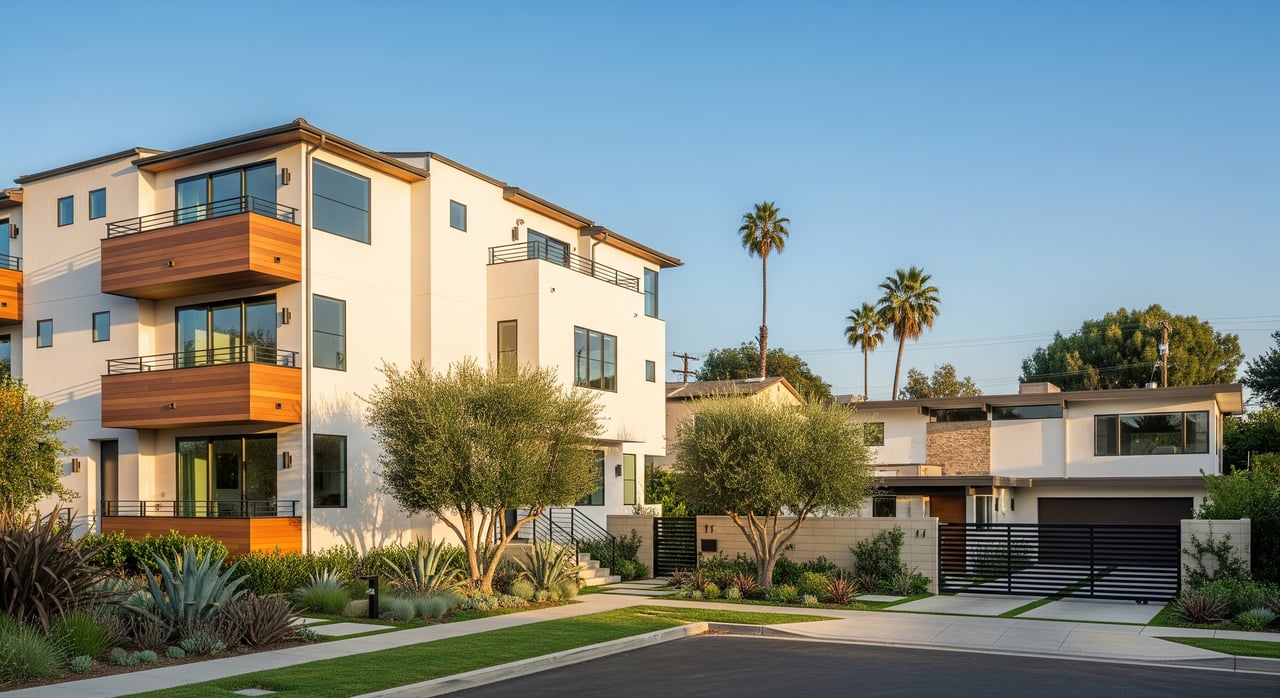
Hawthorne Townhouse vs Single-Family Home
Trying to decide between a townhouse and a single-family home in Hawthorne? You are not alone. With steady demand from nearby job hubs and a mix of housing types across zip 90250, it is smart to weigh space, maintenance, privacy, and long-term value before you buy. In this guide, you will learn how ownership and HOAs work, what to expect for costs and insurance, and how Hawthorne’s location factors like the airport and freeways play into your choice. Let’s dive in.
Hawthorne sits in the South Bay between El Segundo, Inglewood, Torrance, and Gardena. Major employers and job centers nearby include aerospace and tech, with SpaceX headquartered in the city. Proximity to LAX, I-105 and I-405, and the Hawthorne Municipal Airport supports demand and easy commuting. These same features can add traffic and aircraft noise, so it pays to test any location at different times of day.
Hawthorne offers both older single-family neighborhoods and clusters of attached homes and townhome communities. When you compare pricing, work from recent sold comps in 90250 and filter by attached versus detached to keep the comparison fair. Attached homes often list for less than detached homes in the same city, but price per square foot, condition, and location drive results.
With a single-family home, you typically own the house and the lot in fee simple. You control the exterior, yard, and most maintenance, subject to local permits and any private agreements. Some single-family homes are in HOAs, especially in planned communities, so do not assume “no HOA” without checking.
A townhome can be fee simple on a small lot or part of a condominium or common interest development. In a condo-style setup, you own the interior of your unit and share ownership of common areas. The legal classification affects your responsibilities, insurance needs, and financing options, so confirm how the community is organized before you write an offer.
Many townhome communities in California have HOAs that handle landscaping, exterior maintenance, roofs, amenities, and sometimes utilities. HOAs operate under the Davis-Stirling Common Interest Development Act. At resale, you are entitled to a package of documents that includes CC&Rs, bylaws, budgets, reserve studies, rules, and any litigation or special assessment disclosures. Review these closely to understand fees, coverage, and any rental or short-term rental restrictions that may affect future flexibility.
Lenders treat detached single-family homes as straightforward. Attached townhomes that are legally condos may need condo project approval for FHA or VA financing. If the townhome is fee simple and each unit sits on its own parcel, financing may resemble a single-family loan. If you plan to use FHA or VA, confirm early whether the project meets eligibility and whether your lender can approve it.
Townhomes often have lower purchase prices than detached homes nearby, but not always. Your monthly cost is what matters. Compare the full picture: mortgage, property taxes, homeowner’s insurance, HOA dues, and a maintenance reserve. A slightly higher mortgage on a single-family home can balance out if you avoid large HOA dues, while a townhome’s lower price can be offset by monthly fees.
HOA dues in the LA metro vary widely. Some cover landscaping and master insurance only, while others include exterior maintenance, roofs, security, and even utilities. Healthy reserves can reduce the risk of special assessments later. Before you decide, read the current operating budget, the reserve study, meeting minutes from the last 12 to 24 months, and any litigation disclosures.
Single-family owners handle exterior paint, roof work, fencing, driveways, and yards. A common planning rule of thumb is to set aside 1 to 3 percent of the home’s value per year for maintenance, depending on age and condition. Townhome owners often rely on the HOA for exterior and common areas, but you remain responsible for the interior. Verify exactly what the HOA covers, including roof, exterior, plumbing to the unit line, and HVAC.
Single-family buyers usually carry an HO-3 policy that covers the structure and contents. Townhome and condo owners often use an HO-6 policy that covers interior finishes, personal property, liability, and possible assessments tied to common areas. If the townhome is fee simple and you control the exterior, the policy may look more like an HO-3. Confirm what the HOA’s master policy includes, such as bare walls or all-in coverage.
California’s property tax system is anchored by Proposition 13. Your base tax rate is about 1 percent of the assessed value, plus any voter-approved assessments or parcel taxes. Some newer communities have Mello-Roos or special assessments. Both single-family and townhome properties follow the same tax framework.
Single-family homes usually offer more interior space and a private lot or yard. You get more separation from neighbors and flexibility for exterior changes, subject to city permits. Townhomes often deliver efficient layouts with minimal yard work, and some include a small private yard or rooftop deck.
Shared walls in townhomes can mean less privacy and a higher chance of noise transfer, depending on build quality. In Hawthorne, also consider aircraft noise from the municipal airport and LAX flight paths, and traffic near I-105, I-405, Imperial Highway, and El Segundo Boulevard. Visit the property at different times to gauge sound and traffic patterns before you decide.
Single-family homes commonly have a private driveway or garage with on-street options per city rules. Townhome communities may have assigned parking, tandem garages, and guest spaces regulated by the HOA. Some HOAs cap guest parking or require permits. HOAs may also offer gated entries, landscaping, and shared amenities that can add convenience and security.
If you value low maintenance, a lock-and-leave lifestyle, and shared amenities, a townhome may fit well. If you want private outdoor space, room for expansion, or more control over the exterior, a single-family home is often the better match. Think about your daily routine, storage needs, pets, and how often you plan to entertain.
Single-family homes often attract a wider buyer pool that includes households seeking yards and those who prefer to avoid HOAs. Townhomes tend to attract first-time buyers, downsizers, young professionals, and some investors. Hawthorne’s access to job centers and transit can support demand for both, especially attached homes near amenities.
Detached homes can be more liquid in many markets. Attached homes can be more sensitive to financing rules and HOA conditions. When condo project approval standards tighten, attached homes may take longer to sell.
HOA finances and policies affect resale. Low reserves, frequent special assessments, litigation, or strict rental caps can reduce buyer interest. Read meeting minutes and reserves to understand future risks before you commit.
Location and land often lead. Proximity to South Bay job centers, airport access, and neighborhood appeal can drive value. Single-family homes may benefit from lot scarcity and the potential for additions or accessory dwelling units, subject to zoning. Townhomes can also appreciate strongly in well located communities with good access to services and transit.
Choosing between a townhouse and a single-family home in Hawthorne comes down to how you balance space, maintenance, privacy, and budget. Start with apples-to-apples comps by property type in 90250. Then line up financing, read the HOA documents if applicable, and test the location for noise and commute. If you want bilingual, South Bay-focused guidance and a clear path from search to keys, we are here to help.
Ready to compare real options, not hypotheticals? Connect with Team Frieden for local comps, HOA document review support, and a step-by-step plan. Hablamos español.
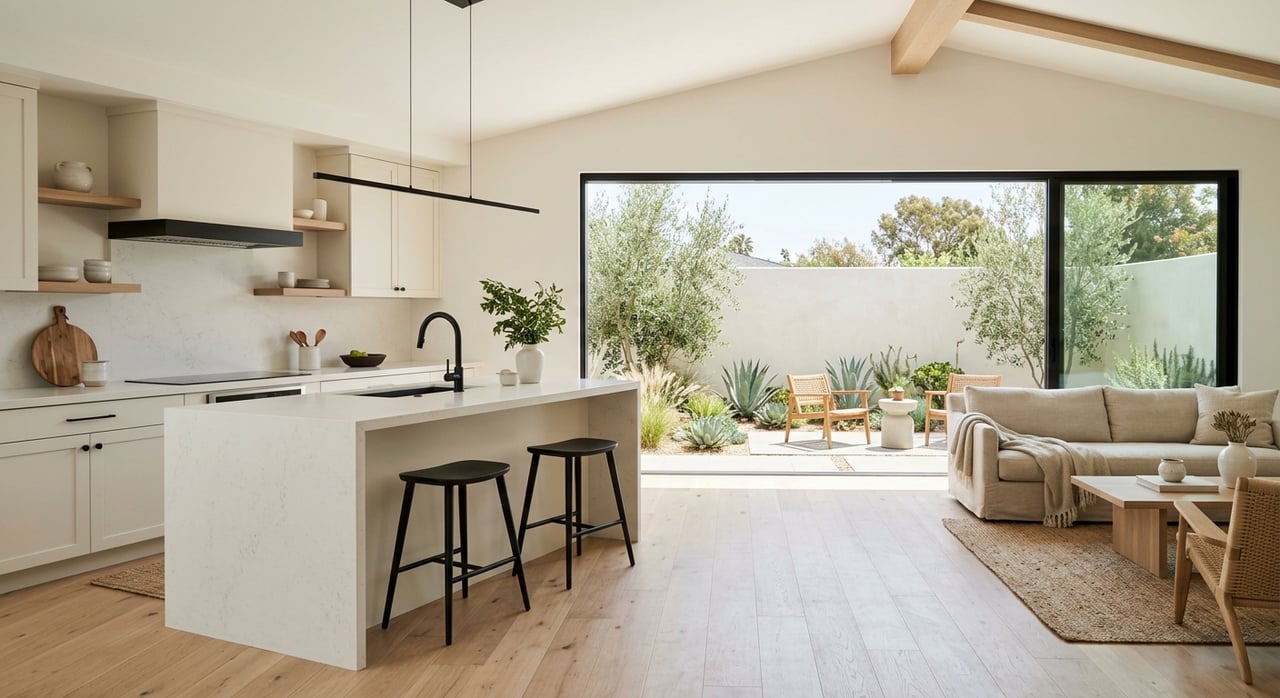
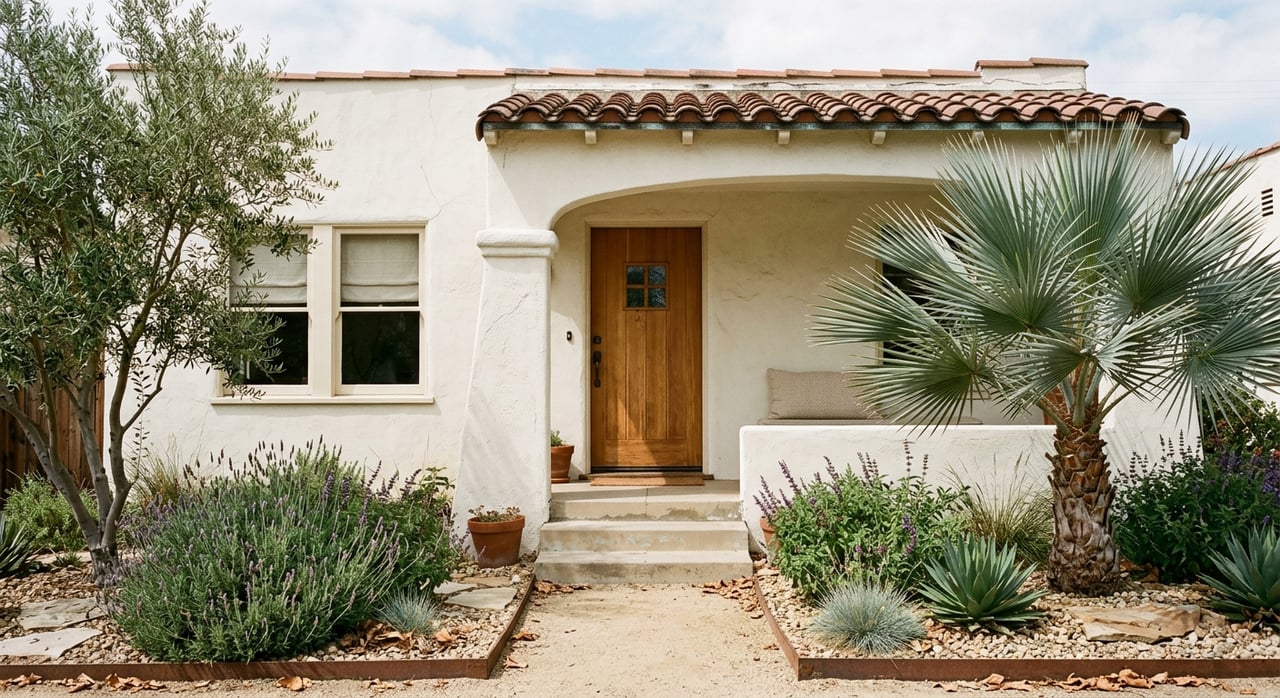
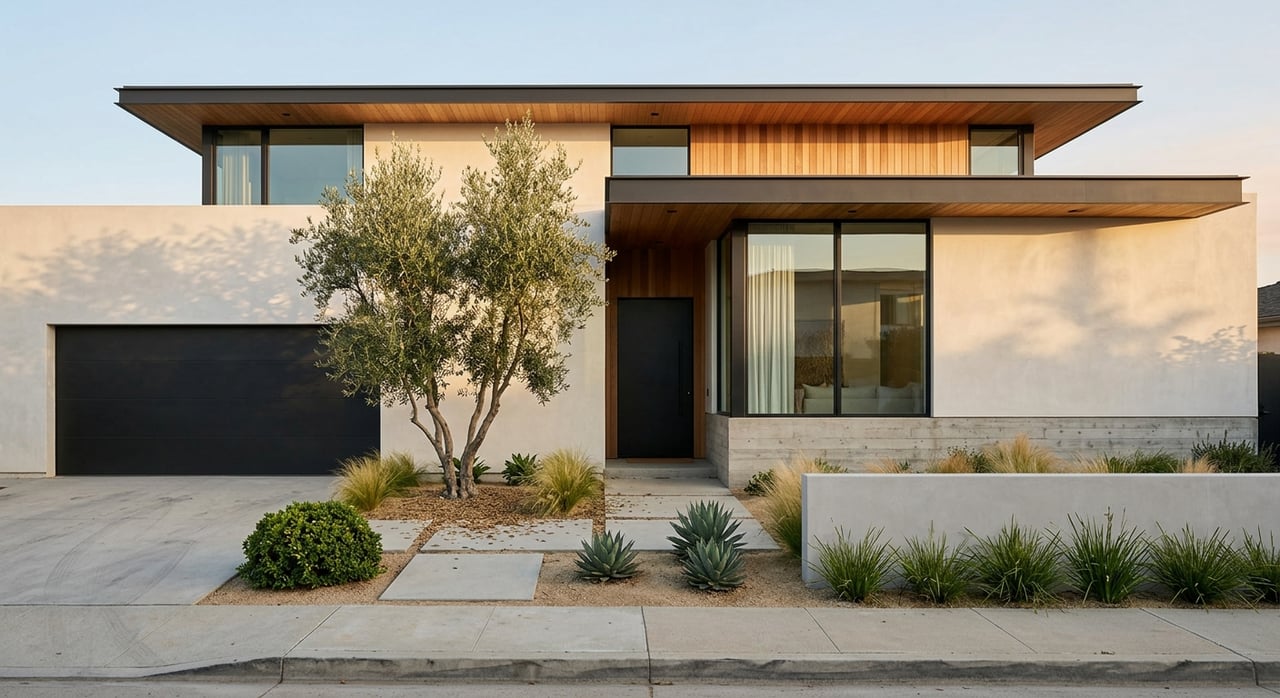
Get assistance in determining current property value, crafting a competitive offer, writing and negotiating a contract, and much more. Contact us today.